


企业简介
company profile
华体会官网(中国)成立于1995年,2002年8月29日,经中国证监会批准,华体会官网(中国)成功向社会公开发行4000万股A股股票,并于2002年9月16日在上海证券交易所正式挂牌上市,成为黑龙江省第一家农业高科技类上市公司,股票代码:600371。公司现注册资本为29257.8万元人民币,主营业务为玉米杂交种的研发、生产、销售。公司曾先后获得农业产业化省级重点龙头企业、高新技术企业等荣誉称号。【华体会官网>>】
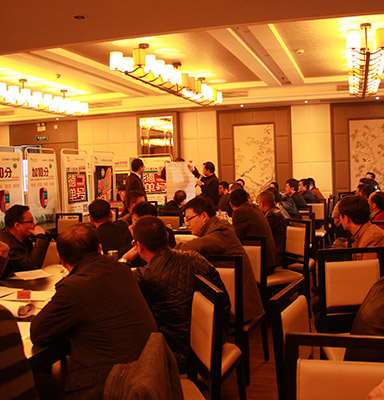
2015年培训会“聚合力创佳绩
公司将秉承“以德兴农”的宗旨,着力优化科研、生产、市场三大资源,严格控制每个细节,为市场提供质量优良的产品,更好地回报广大股东,更好地为三农建设贡献力量!
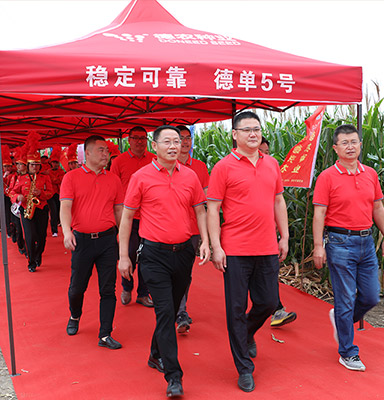
208双交会——第十六期培训会
公司目前在全国设有销售型分地机构8个,国内主要玉米种植带,代理商50000余个。公司已形成了渠道畅通、物流顺畅、信息及时、价格合理、服务周到、资源配置合理的营销和服务体系。
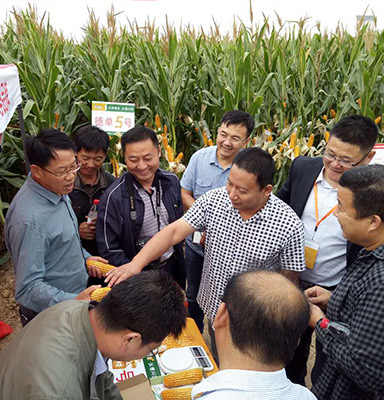
2016年双交会
公司拥有科学完善的质量管理体系,执行高于国家标准的企业内控标准对种子进行严格检验,种子从生产到销售须经过4道检验关,层层把关,严防不合格种子进入市场。
产品优势
Product Advantages
经营管理
数十年创业与持续经营的丰富经验与驾驭能力建立了稳定、高效、规范的经营管理体系。


稳定、高效、规范的经营管理体系

技术、工艺与设备
先进的全自动生产设备,技术与成熟工艺,严格质量控制,具备丰富的产品加工制造的经验与能力,确保为客户提供高质量产品。

稳定、高效、规范的经营管理体系
企业服务
具备雄厚的目投资、开发及项目运营管理等经验与能力,能够为客户提供全面、高效、优质的系统解决方案。

稳定、高效、规范的经营管理体系
产品中心
Product center
新闻资讯
News Information

粮源供应有保障 玉米缺口将进一步缩小
2020-01-18
玉米价格恢复性上涨 种植面积有望增加 建议各方理性看待粮价上涨
2020-01-13
OFFICIAL ACCOUNTS
公众号
欢迎关注我们的官方公众号

ONLINE MESSAGE
联系方式
客户留言
描述: